Type A Power Plug & Socket
Type A plugs have two flat parallel pins. This ungrounded plug is commonly used in North America, Central America, and Japan. It's one of the oldest plug designs still in use. You may also need kuwait plug.
Standard: NEMA 1-15
Pin Configuration: Two flat parallel pins (15.9mm apart, 15.9mm long, 6.3mm wide)
Usage Notes: Type A outlets are being phased out in favor of the grounded Type B in many countries. Always check if your devices require grounding.
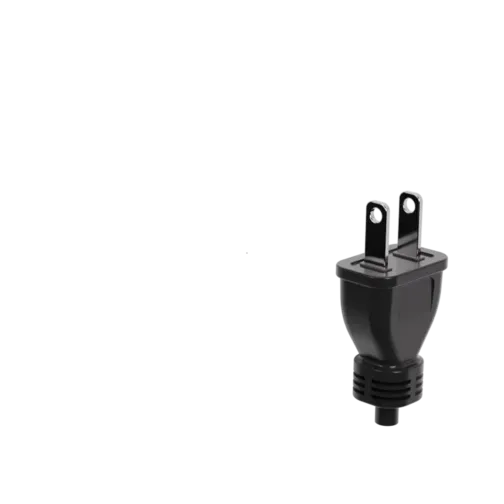
Plug
Type A
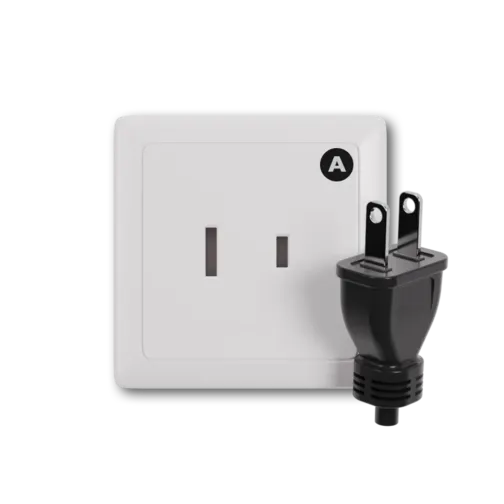
Plug & Socket
Type A
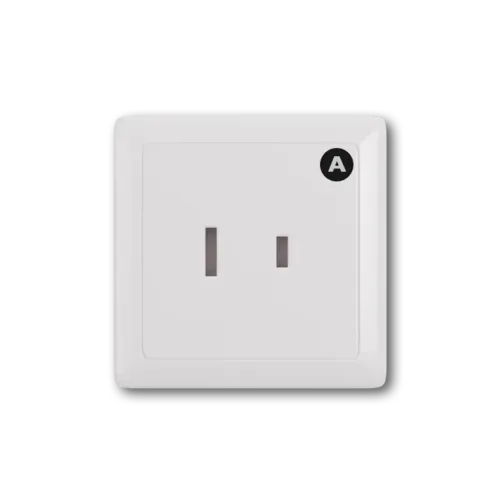
Socket
Type A
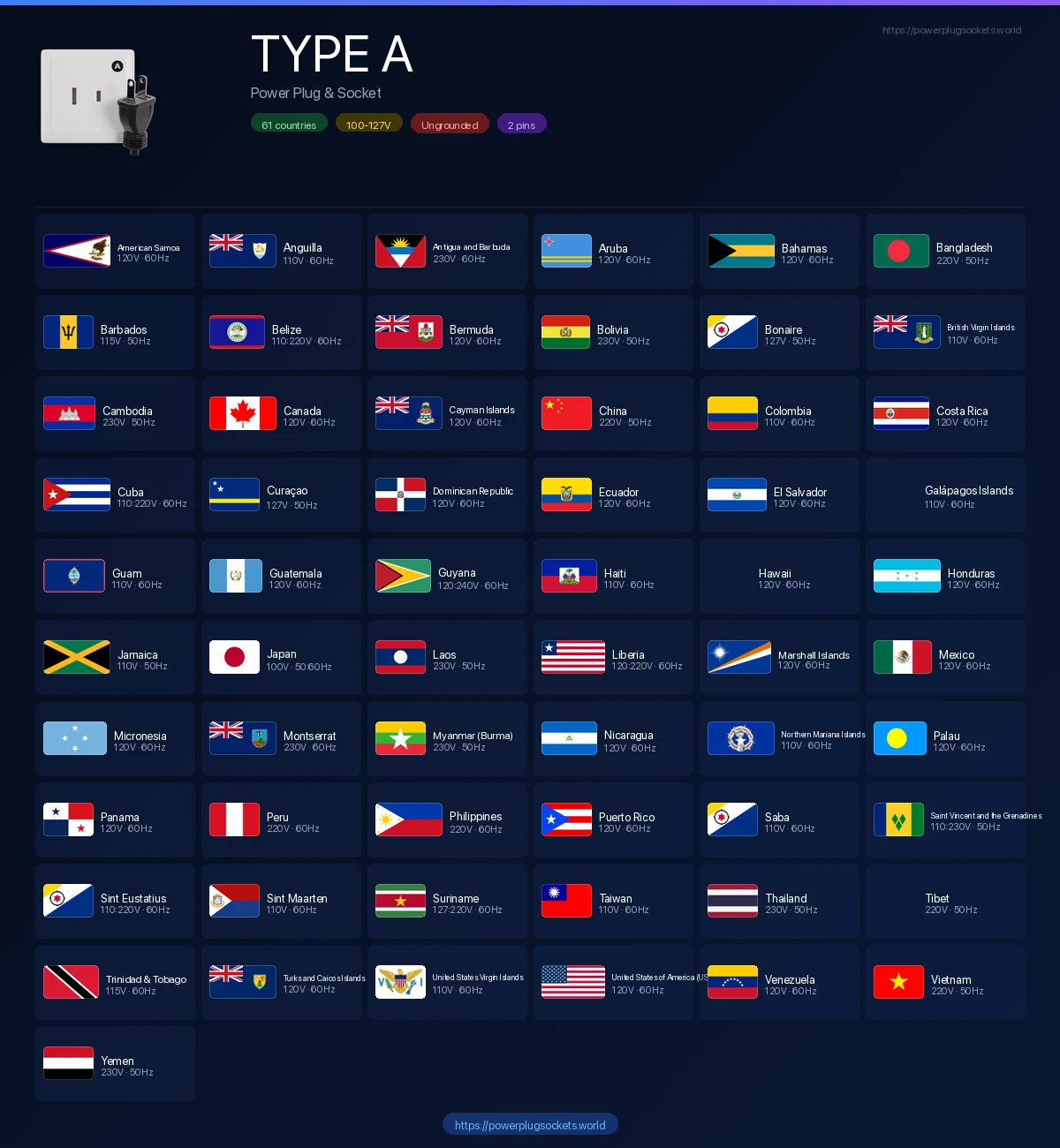
Look at the cord on a phone charger or a clock radio bought in the USA and you will probably find plug type A: two flat pins side by side and nothing else. The Type A plug is not grounded, carries up to 15 A, and works on 100-127 V supplies across Canada, Mexico, Japan and much of Central America.
This guide explains how the Type A plug & socket is built, which countries use it, how it differs from other plug & socket types, and when an electrical socket or electrical outlet abroad will be compatible with your plug.
Plug Type A at a Glance: Two Flat Parallel Pins, Not Grounded
Electricians know it by its NEMA 1-15 name, set by the National Electrical Manufacturers Association, so you will also see it called the NEMA connector or a NEMA-1 plug. Type A is the plug and socket pair behind most North American wiring. Travelling on? Check plugs and sockets in Algeria.
The code means configuration 1, rated 15 amps, with a P suffix for the plug and an R suffix for the receptacle. The face holds two flat parallel blades and no earth contact, so Type A is unearthed by design and mainly found on small household items.
Every socket type A accepts only this two-pin layout, while the grounded Type B power socket accepts it too. One pin is the live pin that brings mains electricity to the device, and the other is the neutral pin that returns the current.
The neutral side is wider so the plug goes in only one way, and a small hole near each pin tip helps hold it in the power socket.
Pin Width, Pin Length and Pin Centers (12.7 mm)
The two pins in Type A sit on half-inch centres, and the taller pin is the neutral one. A technical drawing of these dimensions shows a socket elevation and a plug plan, and they ensure compatibility between makers.
| Measurement | Inches | Millimetres |
|---|---|---|
| Thickness | 0.06 in | 1.5 mm |
| Pin height (live side to neutral side) | 0.25-0.31 in | 6.3-7.9 mm |
| Pin length | 0.625-0.72 in | 15.9-18.3 mm |
| Spacing between pin centres | 0.5 in | 12.7 mm |
NEMA 1-15 Ratings: 15 A, 125 Volts and the 100-127 V Range
A plug's amp rating and volt rating are limits, not targets. A Type A connector is rated 15 A at 125 volts, a theoretical maximum of 1,875 W. The current rating applies to the plug, the power cord and the socket together, so a thin extension lead is the weak point, and domestic appliances above that draw use a grounded plug.
A load that runs for three hours or more should stay at about 80% of the rating, or 1,440 W on a 120 V circuit.
120V at 60Hz vs 100V at 50Hz: Voltage and Frequency
The standard voltage for Type A in the USA is 120 V at 60 Hz. Taiwan runs Type A at 110 V and Japan at 100 V, with the east at 50 Hz and the west at 60 Hz.
Mains voltage matters more than frequency for modern electronics, but motors and older clocks can run slow on the wrong one.
Polarized vs Unpolarized Two-Pin Plug Designs
The polarized version of this two-pin plug has one wide and one narrow pin and fits only one way. The non-polarized Type A version has two equal pins and can go in either way round, which is common on double-insulated phone chargers and other AC adaptors.
A polarized plug will not fit an old two-narrow-slot outlet.
The Neutral Blade and the Hot Blade
On Type A the neutral side is the wider pin and the hot blade (the live side) is the narrower one. On a replacement plug, the wider neutral blade connects to the ribbed or white conductor.
Wiring them the wrong way round still lights a lamp but leaves the bulb shell live when the switch is off.
Harvey Hubbell and the First Parallel Blade Plug
Harvey Hubbell patented a parallel blade plug in 1913 and a second patent for a polarized version with one pin longer and wider in 1916. The idea of keyed polarization has stayed in US standards ever since.
Japanese plugs follow JIS C 8303 as a Class II plug, and many older Japanese sockets have two equal slots, so a polarized North American plug may not fit.
Ungrounded Plug Safety and Grounding Compared With NEMA 5-15
A two-wire plug is safe only when the device suits it. Class I equipment with a metal casing needs an earth pin or ground pin and an earth connection so fault current runs to ground, while Class II equipment uses double insulation and does not, which is why hair dryers and chargers can use Type A. Forcing an earthed device onto a two-pin cord risks electric shock.
Never break off the round pin of a grounded plug to make it fit, because that removes the ground connection and the earthing the appliance was designed around.
Will a Type A Fit a Type B Socket?
Yes. A Type B power socket, the NEMA 5-15R receptacle, takes a Type A electrical plug without an adaptor.
The reverse does not work, since a three-pin NEMA 5-15 plug will not go into an old two-slot socket.
Older Buildings, New Construction and Tamper-Resistant Shutters
Ungrounded two-slot sockets are no longer permitted in new construction in the United States and Canada, but remain in older buildings. New homes must have tamper-resistant sockets with internal shutters, and the IEC (International Electrotechnical Commission) does not standardise Type A at all, since IEC 60906-2 recommends the grounded configuration.
Countries That Use the NEMA Connector
The Type A plug & socket is used in around 40 countries and territories, mostly in North America and the Caribbean, plus parts of South America and Asia. It usually shares the wall with Type B, so both plug types are common there.
Peru, the Philippines, China, Thailand and Vietnam accept the two flat pins in some sockets but supply 220-230 V, so a 120 V-only appliance will be damaged when you switch it on. Puerto Rico and the Bahamas run 120 V, while Jamaica runs 110 V at 50 Hz, and Cuba adds Type C and Type L sockets.
North America and Central America
From Canada down to Panama and across most Caribbean islands, Type A and Type B are the norm at 110 to 127 V. Colombia, Ecuador and Venezuela use Type A like the US, while you will not find a Type A socket in Europe.
Travel Adapter or Power Converter for Plug Types A and B?
For travellers, a travel adapter, also sold as a travel adaptor, only changes the plug shape, while a power converter or voltage converter changes the volts of the AC power. Between the USA and Costa Rica you need neither. See also what plug does Argentina use.
For a different plug on the same 110-127 V range, a power plug adaptor is enough, and for 220-240 V you may need a converter too. A 120 V Type A device on a 100 V supply is usually fine.
Dual Voltage Appliances, Single Voltage and the Transformer
Check the label on the charger before you go. A range such as INPUT: 100-240V means a Type A plug adapter is all you need, as for most phones and laptops and other devices, while a single voltage device marked 120V can burn out within seconds on 230 V. For hair straighteners, use a step-down transformer rated well above the device's wattage.
A universal adapter with sliding pins suits frequent travel, but multisocket adaptors split one outlet into several, so the 15 A limit applies to the whole unit, and extension cords or a power strip share one plug's 1,875 W ceiling.