World Power Plugs & Sockets
Travelling abroad? Find out which power plugs, sockets, and wall outlets are used in your destination country, and check if you need a travel adapter or voltage converter. This site covers all international plug types — two-pin and three-pin, grounded and ungrounded — along with electricity standards, voltage (110–120V and 220–240V), and frequency (50Hz or 60Hz) for every country in the world. Whether you need a simple power outlet adapter, a universal travel adapter, or a full voltage converter, find everything you need before you pack.
Do I Need a Travel Adapter?
International Plug & Socket Types
There are 15 plug and socket types used around the world — from the flat-pin Type A outlets in North America to the rectangular-pin Type G sockets in the UK. Find out which countries use each type, whether it is grounded, and how many pins it has.
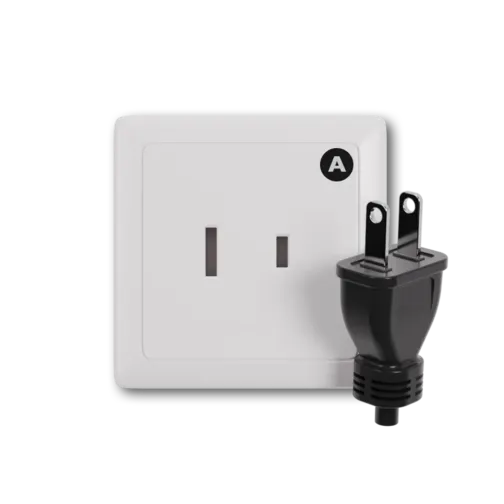
Type A
Ungrounded • 2 pins
Type A plugs have two flat parallel pins. This ungrounded plug is commonly used in North America, Central America, and Japan. It's one of the oldest plug designs still in use.
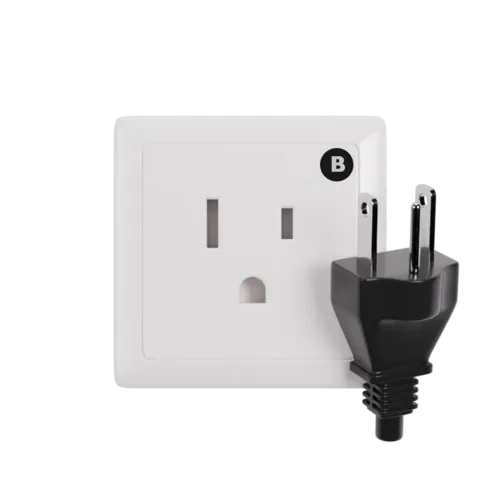
Type B
Grounded • 3 pins
Type B plugs have two flat parallel pins plus a grounding pin. This is the grounded version of Type A and is the standard in North America.
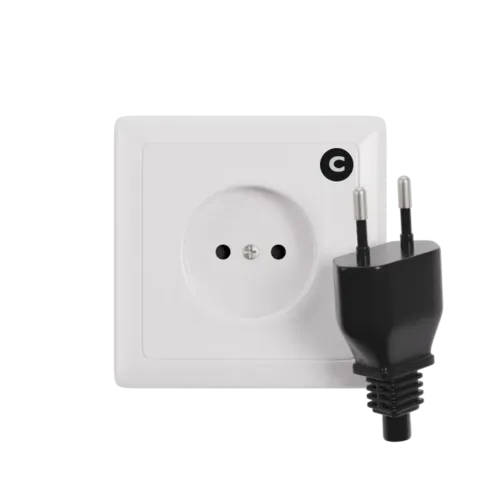
Type C
Ungrounded • 2 pins
Type C plugs have two round pins. Also known as the Europlug, it's one of the most widely used plug types in the world, compatible with many socket types.
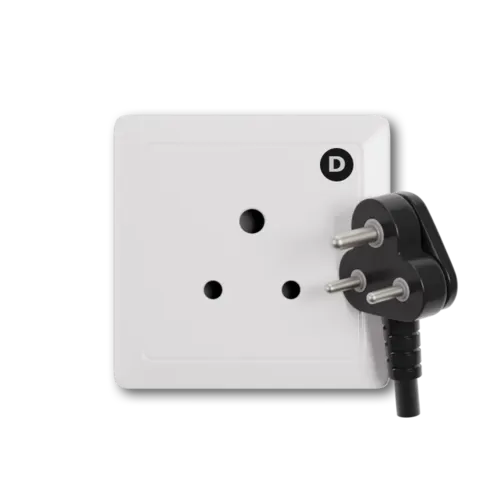
Type D
Grounded • 3 pins
Type D plugs have three large round pins in a triangular pattern. This is an old British standard still used primarily in India.
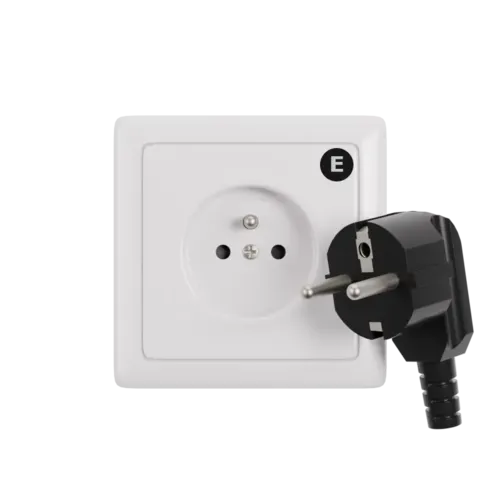
Type E
Grounded • 2 pins
Type E plugs have two round pins with a hole for the socket's grounding pin. The grounding pin is part of the socket, not the plug.
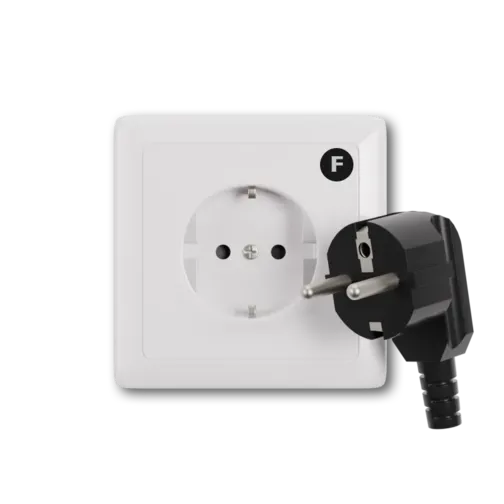
Type F
Grounded • 2 pins
Type F plugs have two round pins with grounding clips on the sides. Also known as the Schuko plug, it's the most common in continental Europe.
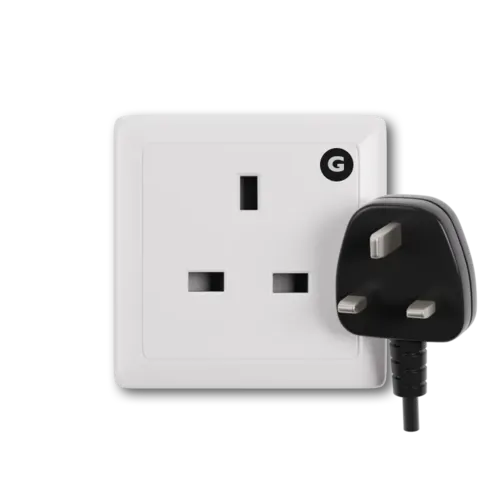
Type G
Grounded • 3 pins
Type G plugs have three rectangular pins in a triangular pattern. Known for its built-in fuse, it's considered one of the safest plug designs.
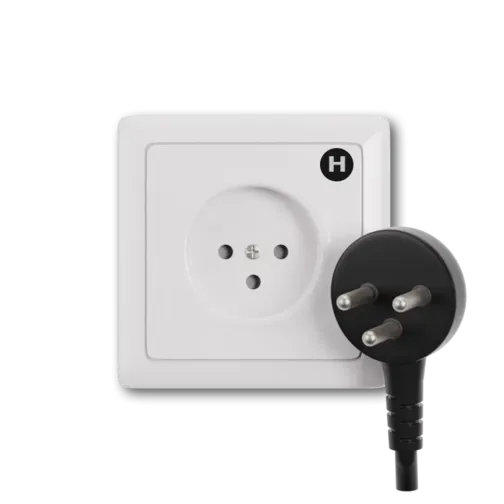
Type H
Grounded • 3 pins
Type H plugs are unique to Israel with three pins in a V-shape. Modern Type H sockets also accept Type C plugs.
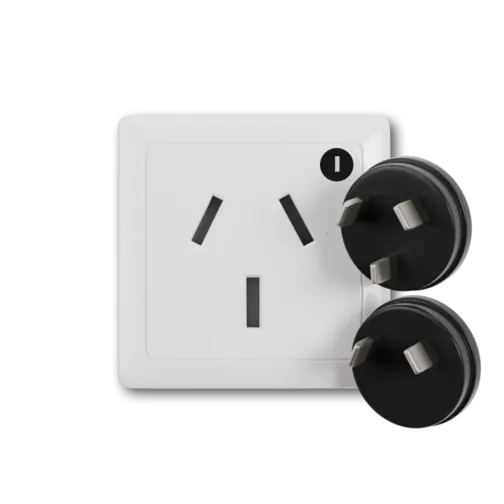
Type I
Grounded • 3 pins
Type I plugs have two angled flat pins in a V-shape, plus a grounding pin. The angled pins distinguish it from other flat-pin designs.
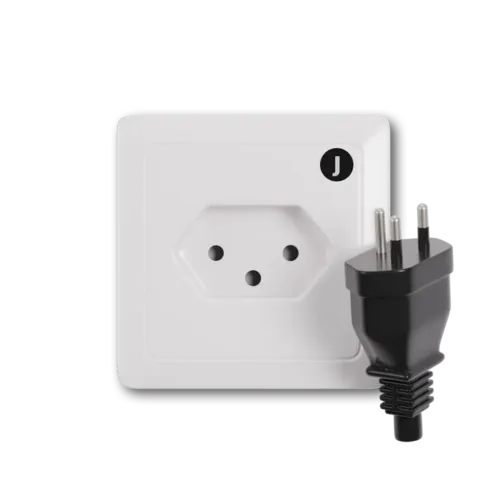
Type J
Grounded • 3 pins
Type J plugs have three round pins with the grounding pin offset from center. It's similar to Type C but with a third grounding pin.
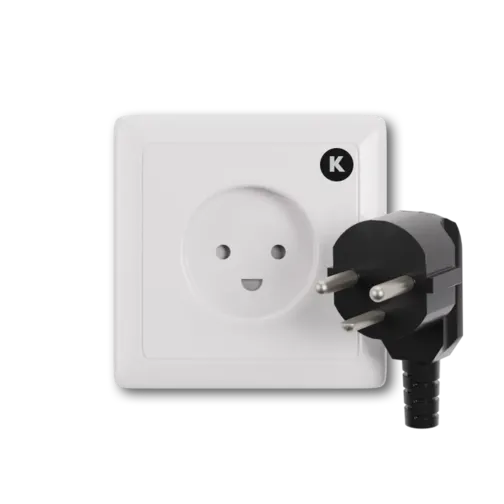
Type K
Grounded • 3 pins
Type K plugs have three round pins with the grounding pin positioned as a semicircular pin. Unique to Denmark and Greenland.
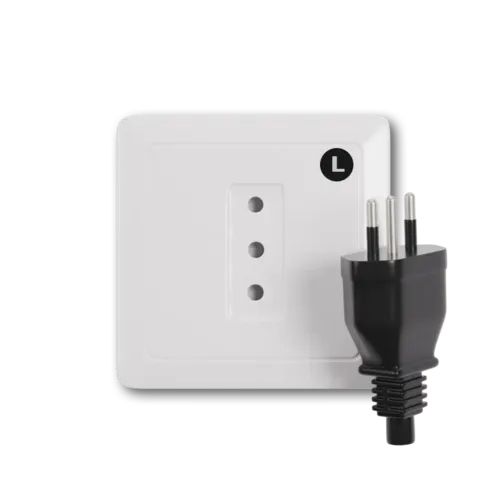
Type L
Grounded • 3 pins
Type L plugs have three round pins in a row. There are two variants: 10A (smaller) and 16A (larger with wider pin spacing).
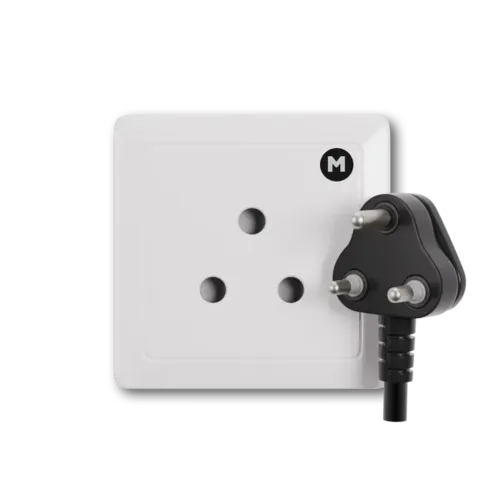
Type M
Grounded • 3 pins
Type M plugs have three large round pins in a triangular pattern, larger than Type D. Used for high-power appliances and as the standard in South Africa.
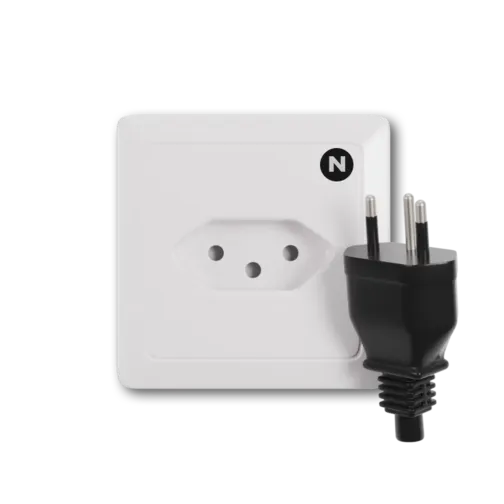
Type N
Grounded • 3 pins
Type N plugs have three round pins and come in 10A and 20A versions. Brazil's standard plug type since 2007.
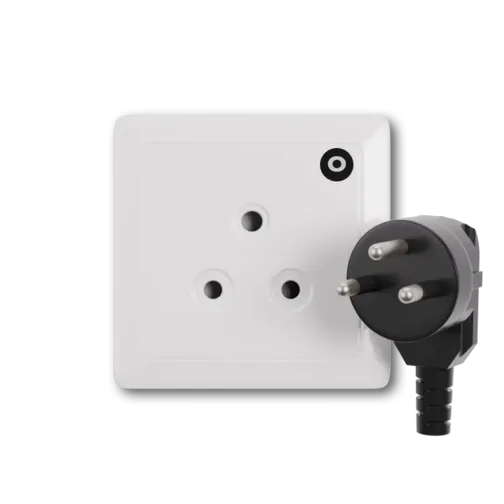
Type O
Grounded • 3 pins
Type O plugs have three round pins and are used exclusively in Thailand. Similar in appearance to Type F but with a third grounding pin.
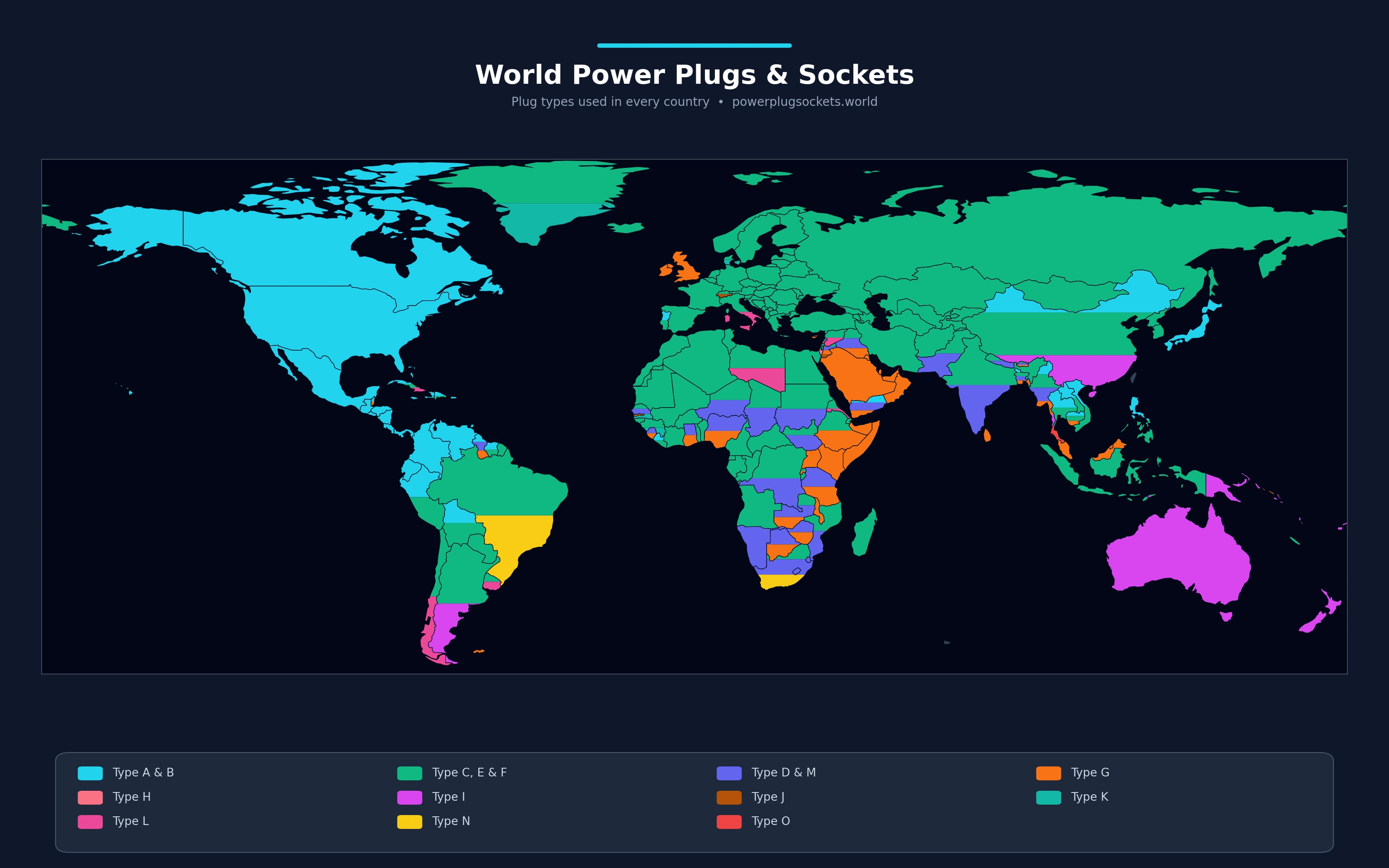
World Plug Types Map
Visual overview showing which electrical plug and socket types are used in every country around the world — from Type A outlets in North America to Type G sockets in the United Kingdom.
Which plugs are the best in the world?
What plugs are used around the world?
Power plug types vary by country and region. Here is a breakdown of each plug type and where it is used:
- Type A — Canada, United States, Japan, and Mexico
- Type B — Canada, United States, and Mexico
- Type C — Widely used throughout Asia, Europe, and South America
- Type D — India
- Type E — Belgium, Czechia, France, Poland, and Slovakia
- Type F — Commonly used in Europe and Russia
- Type G — Widely used in the Arabian Peninsula and United Kingdom, as well as in Ireland, Malaysia, Malta, and Singapore
- Type H — Israel, the Gaza Strip, and the West Bank
- Type I — Australia, Argentina, China, and New Zealand
- Type J — Only used in Liechtenstein and Switzerland
- Type K — Only used in Denmark and Greenland
- Type L — Only used in Chile and Italy
- Type M — Only used in South Africa
- Type N — Mainly used in Brazil and South Africa; the IEC's recommended standard universal plug
- Type O — Only used in Thailand
What is the safest power plug in the world?
What is the most used plug in the world?
What are the two most common types of plugs in the USA?
Which countries use which power plugs?
How do I find the right plug for another country?
Power Plugs & Sockets by Country
Browse plug types, wall socket standards, voltage, and frequency for every country in the world, organised by continent. Select any country to check if you need a travel adapter or voltage converter.

Armenia
230V • 50Hz

Azerbaijan
220V • 50Hz

Christmas Island
230V • 50Hz

Cocos (Keeling) Islands
230V • 50Hz

Gaza Strip
230V • 50Hz

Georgia
220V • 50Hz

Great Britain
230V • 50Hz

Algeria
230V • 50Hz

Angola
220V • 50Hz
Ascension Island
240V • 60Hz

Benin
220V • 50Hz

Botswana
230V • 50Hz

Burkina Faso
220V • 50Hz

Burundi
220V • 50Hz

Cameroon
220V • 50Hz

Cape Verde
230V • 50Hz

Central African Republic
220V • 50Hz

Chad
220V • 50Hz

Comoros
220V • 50Hz

Congo
230V • 50Hz

Côte d'Ivoire (Ivory Coast)
220V • 50Hz

Democratic Republic of Congo
220V • 50Hz

Djibouti
220V • 50Hz

Egypt
220V • 50Hz

Equatorial Guinea
220V • 50Hz

Eritrea
230V • 50Hz

Eswatini
230V • 50Hz

Ethiopia
220V • 50Hz

Gabon
220V • 50Hz

Gambia
230V • 50Hz

Ghana
230V • 50Hz

Guinea
220V • 50Hz

Guinea-Bissau
220V • 50Hz

Kenya
240V • 50Hz

Lesotho
220V • 50Hz

Liberia
120:220V • 60Hz

Libya
230V • 50Hz

Madagascar
220V • 50Hz

Malawi
230V • 50Hz

Mali
220V • 50Hz

Mauritania
220V • 50Hz

Mauritius
230V • 50Hz

Mayotte
230V • 50Hz

Morocco
220V • 50Hz

Mozambique
220V • 50Hz

Namibia
220V • 50Hz

Niger
220V • 50Hz

Nigeria
230V • 50Hz

Papua New Guinea
240V • 50Hz

Rwanda
230V • 50Hz

Réunion
230V • 50Hz

Senegal
230V • 50Hz

Seychelles
240V • 50Hz

Sierra Leone
230V • 50Hz

Somalia
220V • 50Hz
Somaliland
220V • 50Hz

South Africa
230V • 50Hz

South Sudan
230V • 50Hz

Sudan
230V • 50Hz

São Tomé and Príncipe
230V • 50Hz

Tanzania
230V • 50Hz

Togo
220V • 50Hz
Tristan da Cunha
240V • 50Hz

Tunisia
230V • 50Hz

Uganda
240V • 50Hz

Western Sahara
220V • 50Hz

Zambia
230V • 50Hz
Zanzibar
230V • 50Hz

Zimbabwe
240V • 50Hz

Afghanistan
220V • 50Hz
Andaman & Nicobar Islands
230V • 50Hz

Bangladesh
220V • 50Hz

Bhutan
230V • 50Hz

Brunei
240V • 50Hz

Cambodia
230V • 50Hz

China
220V • 50Hz

East Timor (Timor-Leste)
220V • 50Hz

Hong Kong
220V • 50Hz

India
230V • 50Hz

Indonesia
230V • 50Hz

Japan
100V • 50:60Hz

Kazakhstan
220V • 50Hz

Kyrgyzstan
220V • 50Hz
Lakshadweep
230V • 50Hz

Laos
230V • 50Hz

Macau
220V • 50Hz

Malaysia
240V • 50Hz

Maldives
230V • 50Hz

Mongolia
230V • 50Hz

Myanmar (Burma)
230V • 50Hz

Nepal
230V • 50Hz

North Korea
220V • 50Hz

Pakistan
230V • 50Hz

Philippines
220V • 60Hz

Singapore
230V • 50Hz

South Korea
220V • 60Hz

Sri Lanka
230V • 50Hz

Taiwan
110V • 60Hz

Tajikistan
220V • 50Hz

Thailand
230V • 50Hz
Tibet Autonomous Region, China
220V • 50Hz

Turkmenistan
220V • 50Hz

Uzbekistan
220V • 50Hz

Vietnam
220V • 50Hz

Albania
230V • 50Hz

Andorra
230V • 50Hz

Austria
230V • 50Hz

Azores
230V • 50Hz

Balearic Islands
230V • 50Hz

Belarus
220V • 50Hz

Belgium
230V • 50Hz

Bosnia & Herzegovina
230V • 50Hz

Bulgaria
230V • 50Hz
Canary Islands
230V • 50Hz
Corsica
230V • 50Hz

Croatia
230V • 50Hz

Czech Republic
230V • 50Hz

Denmark
230V • 50Hz
England
230V • 50Hz

Estonia
230V • 50Hz

Faroe Islands
230V • 50Hz

Finland
230V • 50Hz

France
230V • 50Hz

Germany
230V • 50Hz

Gibraltar
230V • 50Hz

Greece
230V • 50Hz

Guernsey
230V • 50Hz

Hungary
230V • 50Hz

Iceland
230V • 50Hz

Ireland (Eire)
230V • 50Hz

Isle of Man
230V • 50Hz

Italy
230V • 50Hz

Jersey
230V • 50Hz

Kosovo
230V • 50Hz

Latvia
230V • 50Hz

Liechtenstein
230V • 50Hz

Lithuania
230V • 50Hz

Luxembourg
230V • 50Hz
Madeira
230V • 50Hz

Malta
230V • 50Hz

Moldova
230V • 50Hz

Monaco
230V • 50Hz

Montenegro
230V • 50Hz

Netherlands
230V • 50Hz

New Zealand
230V • 50Hz

North Macedonia
230V • 50Hz
Northern Ireland
230V • 50Hz

Norway
230V • 50Hz

Poland
230V • 50Hz
Portugal
230V • 50Hz

Romania
230V • 50Hz

Russia
220V • 50Hz

San Marino
230V • 50Hz
Scotland
230V • 50Hz

Serbia
230V • 50Hz

Slovakia
230V • 50Hz

Slovenia
230V • 50Hz
Spain
230V • 50Hz

Svalbard and Jan Mayen
230V • 50Hz

Sweden
230V • 50Hz

Switzerland
230V • 50Hz

Ukraine
230V • 50Hz
United Kingdom (UK)
230V • 50Hz

Vatican City
230V • 50Hz
Wales
230V • 50Hz

Åland Islands
230V • 50Hz

Bermuda
120V • 60Hz

Canada
120V • 60Hz

Greenland
230V • 50Hz
Hawaii
120V • 60Hz

Mexico
120V • 60Hz

Saint Pierre and Miquelon
230V • 50Hz

United States Virgin Islands
110V • 60Hz

United States of America (US) USA
120V • 60Hz

Argentina
220V • 50Hz

Bolivia
230V • 50Hz

Brazil
127:220V • 60Hz

Chile
220V • 50Hz

Colombia
110V • 60Hz

Ecuador
120V • 60Hz

Falkland Islands
240V • 50Hz

French Guiana
220V • 50Hz
Galápagos Islands
110V • 60Hz

Guyana
120:240V • 60Hz

Paraguay
220V • 50Hz

Peru
220V • 60Hz

Suriname
127:220V • 60Hz

Uruguay
220V • 50Hz

Venezuela
120V • 60Hz

American Samoa
120V • 60Hz

Australia
230V • 50Hz

Cook Islands
240V • 50Hz
Easter Island
220V • 50Hz

Fiji
240V • 50Hz

French Polynesia
220V • 60Hz

Guam
110V • 60Hz

Kiribati
240V • 50Hz

Marshall Islands
120V • 60Hz

Micronesia
120V • 60Hz

Nauru
240V • 50Hz

New Caledonia
220V • 50Hz

Niue
230V • 50Hz

Norfolk Island
230V • 50Hz

Northern Mariana Islands
110V • 60Hz

Palau
120V • 60Hz

Pitcairn Islands
230V • 50Hz

Samoa
230V • 50Hz

Solomon Islands
230V • 50Hz
Tahiti
220V • 50:60Hz

Tokelau
230V • 50Hz

Tonga
240V • 50Hz

Tuvalu
230V • 50Hz

Vanuatu
230V • 50Hz

Wallis and Futuna
220V • 50Hz

Anguilla
110V • 60Hz

Antigua and Barbuda
230V • 60Hz

Aruba
120V • 60Hz

Bahamas
120V • 60Hz

Barbados
115V • 50Hz

Bonaire
127V • 50Hz

British Virgin Islands
110V • 60Hz

Cayman Islands
120V • 60Hz

Cuba
110:220V • 60Hz

Curaçao
127V • 50Hz

Dominica
230V • 50Hz

Dominican Republic
120V • 60Hz

Grenada
230V • 50Hz

Guadeloupe
230V • 50Hz

Haiti
110V • 60Hz

Jamaica
110V • 50Hz

Martinique
220V • 50Hz

Montserrat
230V • 60Hz

Puerto Rico
120V • 60Hz
Saba
110V • 60Hz

Saint Barthélemy
230V • 60Hz

Saint Helena
230V • 50Hz

Saint Kitts and Nevis
230V • 60Hz

Saint Lucia
230V • 50Hz

Saint Martin
220V • 60Hz

Saint Vincent and the Grenadines
110:230V • 50Hz
Sint Eustatius
110:220V • 60Hz

Sint Maarten
110V • 60Hz

Trinidad & Tobago
115V • 60Hz

Turks and Caicos Islands
120V • 60Hz

Abu Dhabi
230V • 50Hz

Bahrain
230V • 50Hz

Cyprus
230V • 50Hz
Dubai
230V • 50Hz

Iran
230V • 50Hz

Iraq
230V • 50Hz

Israel
230V • 50Hz

Jordan
230V • 50Hz

Kuwait
240V • 50Hz

Lebanon
230V • 50Hz
North Cyprus
230V • 50Hz

Oman
240V • 50Hz
Palestine
230V • 50Hz

Qatar
240V • 50Hz

Saudi Arabia
220V • 60Hz

Syria
220V • 50Hz

Turkey
230V • 50Hz
United Arab Emirates (UAE)
230V • 50Hz

Yemen
230V • 50Hz

Belize
110:220V • 60Hz

Costa Rica
120V • 60Hz

El Salvador
120V • 60Hz

Guatemala
120V • 60Hz

Honduras
120V • 60Hz

Nicaragua
120V • 60Hz

Panama
120V • 60Hz