Type A vs Type B Plugs: Differences & Compatibility
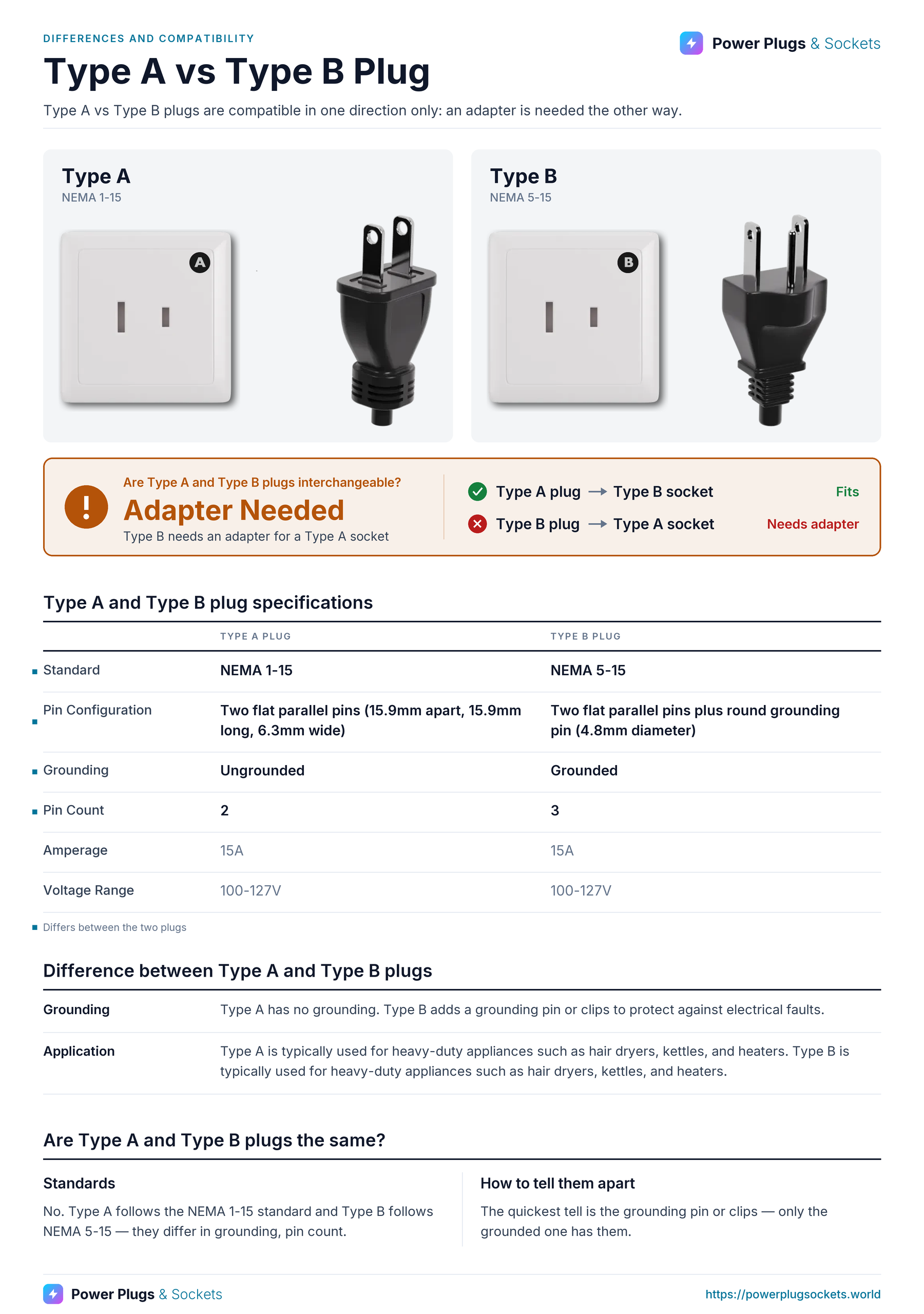
Type A vs Type B plugs are compatible in one direction only: an adapter is needed the other way. Type A is a 2-pin, ungrounded plug rated 15A at 100-127V, while Type B is a 3-pin, grounded plug rated 15A at 100-127V. The two differ mainly in grounding and pin design, which is what decides compatibility — whether a Type A plug fits a Type B socket, and vice versa. You might also want can i use a type J adapter with a type N socket.
Swipe to compare
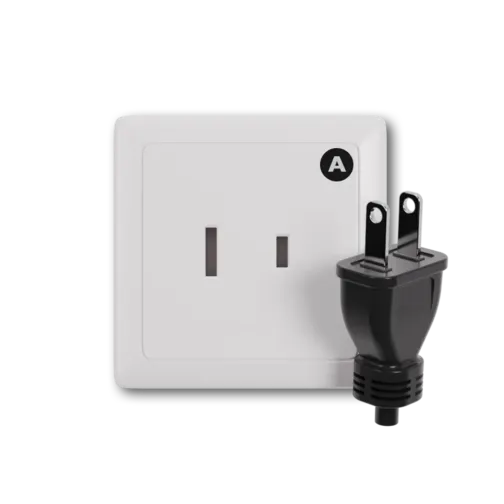
Type A
|
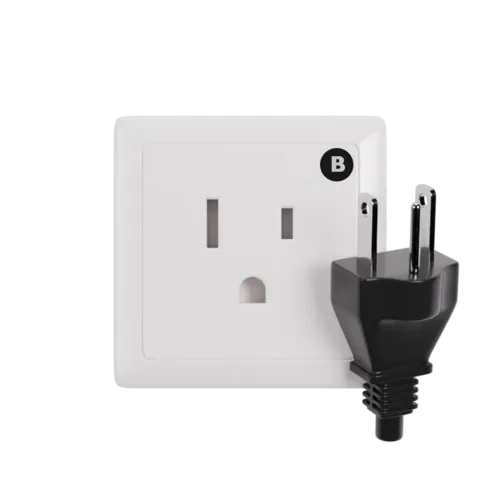
Type B
|
|
|---|---|---|
| Standard | NEMA 1-15 | NEMA 5-15 |
| Pin Configuration | Two flat parallel pins (15.9mm apart, 15.9mm long, 6.3mm wide) | Two flat parallel pins plus round grounding pin (4.8mm diameter) |
| Grounding | Ungrounded | Grounded |
| Pin Count | 2 | 3 |
| Amperage | 15A | 15A |
| Voltage Range | 100-127V | 100-127V |
Key Differences Between Type A and Type B
Here's how Type A and Type B compare, point by point.
- Grounding: Type A has no grounding. Type B adds a grounding pin or clips to protect against electrical faults.
- Pin Size and Shape: Type A: Two flat parallel pins (15.9mm apart, 15.9mm long, 6.3mm wide). Type B: Two flat parallel pins plus round grounding pin (4.8mm diameter).
- Application: Type A is typically used for heavy-duty appliances such as hair dryers, kettles, and heaters. Type B is typically used for heavy-duty appliances such as hair dryers, kettles, and heaters.
Type A and Type B Compatibility
Type A in Type B Sockets: Compatible with Type B outlets but Type B plugs cannot fit into Type A sockets. Type B outlets accept both Type A and Type B plugs, making them backward compatible.
Type B in Type A Sockets: Generally no. A Type B plug (Two flat parallel pins plus round grounding pin (4.8mm diameter)) does not fit a Type A socket (Two flat parallel pins (15.9mm apart, 15.9mm long, 6.3mm wide)) without a travel adapter. You might also want how the pin configuration of a type C plug differs from a type F plug.
If you're planning a trip, tell us which country you're visiting and we can confirm whether you need a Type A or Type B travel adapter.
Does a Type A plug fit into a Type B socket?
Compatible with Type B outlets but Type B plugs cannot fit into Type A sockets. Type B outlets accept both Type A and Type B plugs, making them backward compatible.
Are Type A and Type B plugs the same?
No. Type A follows the NEMA 1-15 standard and Type B follows NEMA 5-15 — they differ in grounding, pin count. Next, check type F plugs run on 220-240V while type H plugs run on 220-240V.
Which countries use Type A and Type B plugs?
Type A plugs are used in 61 countries, including United States of America, Japan, China, Vietnam, Thailand. Type B plugs are used in 54 countries, including United States of America, Japan, Vietnam, Thailand, Canada. 53 countries use both, including United States of America, Japan, Vietnam, Thailand, Canada.
How can you tell a Type A plug from a Type B plug?
A Type A plug has two flat parallel pins (15.9mm apart, 15.9mm long, 6.3mm wide), and is ungrounded. A Type B plug has two flat parallel pins plus round grounding pin (4.8mm diameter), and is grounded. The quickest tell is the grounding pin or clips — only the grounded one has them.