Type B vs Type O Plugs: Differences & Compatibility
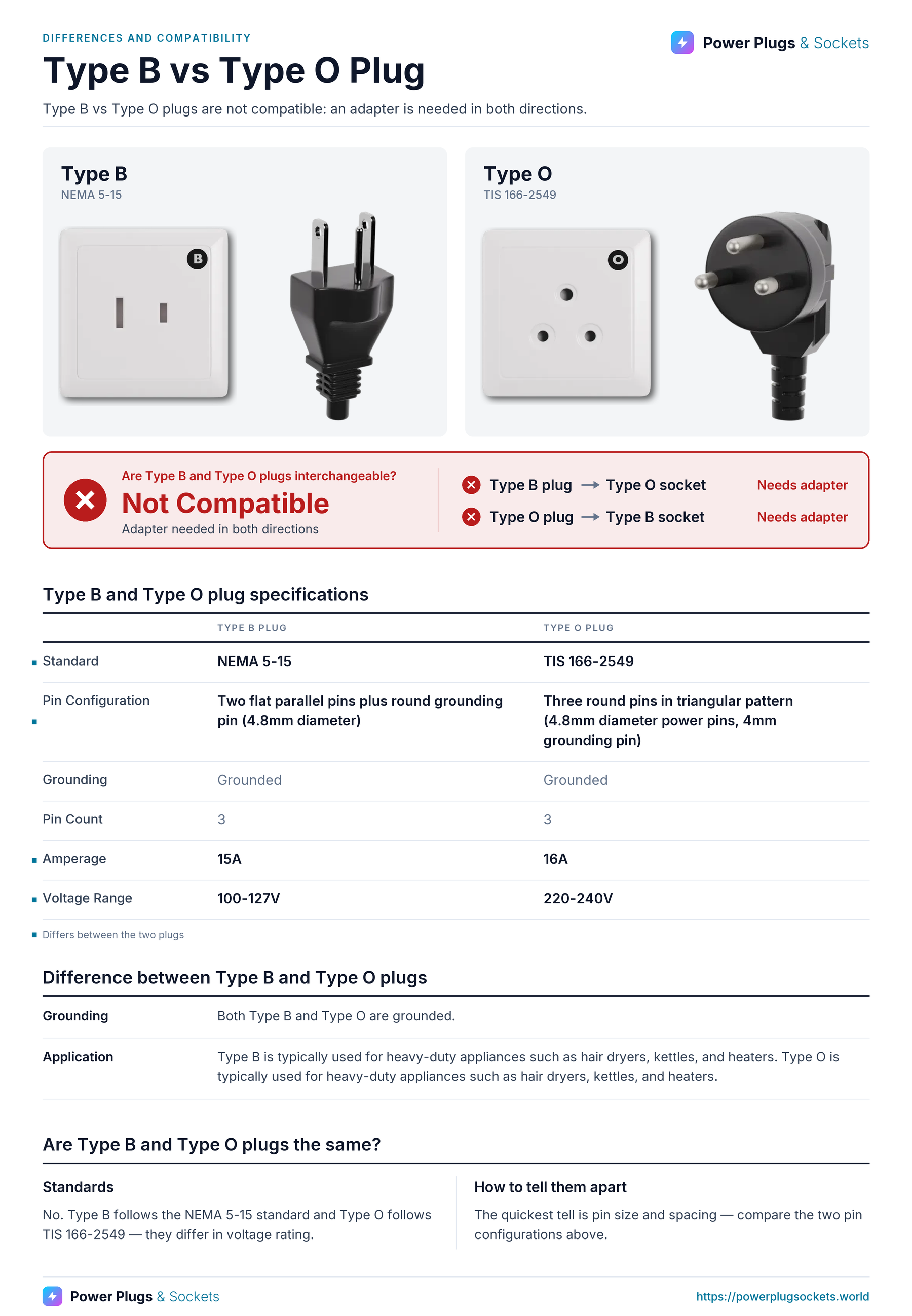
Type B vs Type O plugs are not compatible: an adapter is needed in both directions. Type B is a 3-pin, grounded plug rated 15A at 100-127V, while Type O is a 3-pin, grounded plug rated 16A at 220-240V. The two differ mainly in voltage, amperage and pin design, which is what decides compatibility — whether a Type B plug fits a Type O socket, and vice versa. Compare this with how does the amperage rating of a type H plug compare to a type N plug.
Swipe to compare
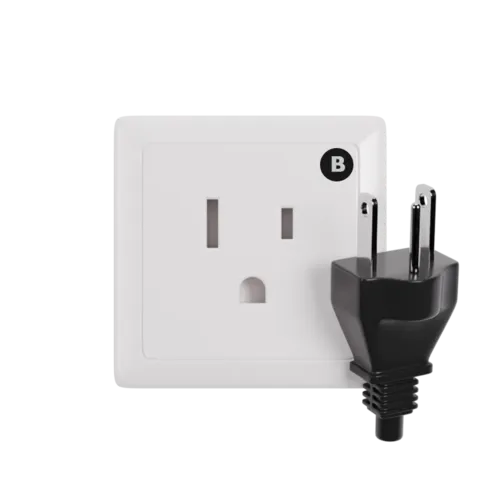
Type B
|
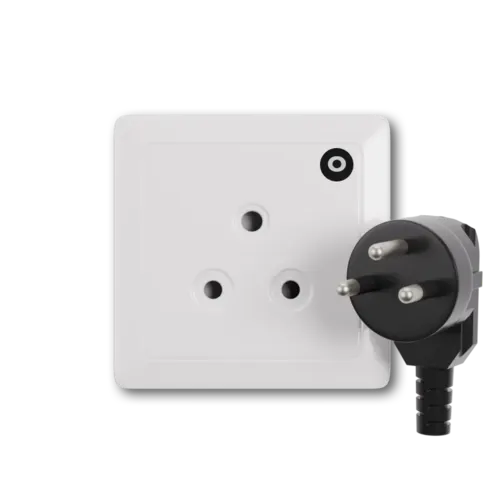
Type O
|
|
|---|---|---|
| Standard | NEMA 5-15 | TIS 166-2549 |
| Pin Configuration | Two flat parallel pins plus round grounding pin (4.8mm diameter) | Three round pins in triangular pattern (4.8mm diameter power pins, 4mm grounding pin) |
| Grounding | Grounded | Grounded |
| Pin Count | 3 | 3 |
| Amperage | 15A | 16A |
| Voltage Range | 100-127V | 220-240V |
Packing for Thailand with a laptop charger from home? The type B vs type O plug question comes down to one fact: a Type B has two flat parallel pins plus a round earth pin and runs on about 120 V, while a Type O uses three round pins and runs on 230 V. Both letters come from the US Department of Commerce scheme for mains electricity connectors, and the pins, rating and voltage decide whether your appliances survive.
Type B vs Type O Plug: Side-by-Side Comparison
Both are grounded, three-pin designs. The Type B is defined by the National Electrical Manufacturers Association (NEMA) in the United States, while the Type O is a Thai national design; their electrical standards differ, and the IEC World Plugs list gives both a letter.
Treat socket shape and socket voltage as two separate checks.
| Feature | Type B (NEMA 5-15) | Type O (TIS 166-2549) |
|---|---|---|
| Pins | Two flat blades plus one round or D-shaped earth pin | Three round pins in a triangle |
| Live and neutral pins | Flat, parallel, 12.7 mm centres | Round, 4.8 mm, 19 mm apart |
| Earth pin | Longer than the blades | 21.4 mm, longer than the power pins |
| Grounded | Yes | Yes (ungrounded two-pin version also exists) |
| Current rating | 15 A | 16 A |
| Plug rated voltage | 125 V | 250 V |
| Supply voltage | 100 – 127 V | 220 – 240 V (230 V nominal) |
| Frequency | 60 Hz (50 Hz in eastern Japan) | 50 Hz |
| Polarized socket | Yes, wider neutral slot | Yes |
| Insulated pins | No | Yes, sleeved for 10 mm |
| Socket accepts | Type A and Type B plugs | Type C and Type O plugs |
| Main countries | United States, Canada, Mexico, Japan | Thailand only |
How the NEMA 5-15 Plug Is Built
The NEMA 5-15 design is the standard American three-prong plug, which stage electricians call a "parallel blade with ground" connector. Every type B plug and type B electrical socket follows the same geometry.
IEC 60906-2 recommends this socket for 120 V, 60 Hz installations. Each Type B plug is rated at 15 A and 125 V, and the NEMA 5-15R receptacle is the everyday outlet across North America and Central America, at about 120 volts.
Japan uses a near-identical plug.
Flat Blades and a Longer Ground Pin
Two flat blades carry hot and neutral, and the longer grounding prong means the plug is grounded before the power is applied, so a fault finds earth first. Three-pronged outlets are required in new homes, while old two-pronged sockets take only Type A plugs, which are not grounded.
The sockets use polarization: the neutral blade slot is wider, so polarized plugs enter one way only, and three prongs keep the orientation fixed. The ground hole is officially D-shaped, though a round pin fits.
How the Thai Plug Under TIS 166-2549 Is Built
The Thai plug is defined by Thai Industrial Standard TIS 166-2549, an update of TIS 166-2547. It is used only in Thailand, in Thai electrical outlets, and replaced older practice that borrowed NEMA shapes.
Round Pins and a 21.4 mm Earth Pin
A Type O plug has three round pins. The power pins are 4.8 mm in diameter and 19 mm long; the earth pin is 21.4 mm long, so it connects first.
Plastic sleeves cover the first 10 mm of each power pin, which are insulated pins absent from the Type B design.
16 A Rating and the Ungrounded Type O Variant
Both versions carry a 16 A rating at 250 V. The ungrounded variant is a slim two-pin body like the Europlug, which is only rated for 2.5 A. A 16 A amperage suits a 2,000 W kettle. The grounded design resembles the Israeli SI32 plug (Type H), but they are not interchangeable.
Why Thai Homes Still Fit a Hybrid Socket
Most Thai buildings still have a hybrid socket, defined in TIS 166-2547, that accepts NEMA 1-15 and 5-15 plugs, Europlugs and the Thai design. This multi-standard socket is a defined, polarized design that grips blades firmly, unlike a universal socket, and the plan is to phase out hybrids.
Grounded Plug Compatibility in Both Directions
Both designs are a grounded plug with the earth pin in a similar spot, yet they are not interchangeable. Compatibility depends on which socket you meet.
Plugging a Type B Plug Into a Thai Outlet
A hybrid Thai outlet physically takes a Type B plug, earth included, but a newer round-pin Thai socket will not. The outlet delivers 230 V, so an unsuitable device can be destroyed within seconds.
Fitting Thai Plugs Into North American Sockets
A Thai round-pin plug never enters a Type B socket, so it needs an adapter and usually a voltage converter, because the outlet supplies only about 120 V.
Europlug and Other Socket Compatible Plugs
The Type B socket is compatible with plug types A and B only; the Type O socket with plug types C and O. Type E and Type F plugs have partial and unsafe compatibility with a Type O socket, and the Europlug (2.5 A) fits Thai sockets without an adapter.
Voltage Differences: American Standard 120 V vs Thai 230 V
The voltage gap matters more than the pin shapes: an adapter changes the shape of the connection, not the voltage. Next, check what adapter converts a type A plug to a type M socket.
100 – 127 V Countries vs 220 – 240 V Thai Supply
Type B countries run on 100 – 127 V, Type O sockets on 220 – 240 V. A 120-volt hair dryer on 230 V draws close to four times its rated power, while a 240-volt device on 120 volts runs weakly. Phone and laptop devices are often built for both, but heating appliances usually are not.
Frequency: 60 Hz vs 50 Hz
NEMA countries run at 60 Hz and Thailand at 50 Hz. Switch-mode electronics do not care, but motors and clocks can run about 17% slow.
Reading the Rating Label Before You Plug In
Check the label on each power cord or charger. A dual voltage label such as "INPUT 100–240V ~ 50/60Hz" needs only a plug adapter.
A single value like 120V means you need a voltage converter rated above the device's wattage.
Safety Features of NEMA 5-15R and Thai Industrial Standard Sockets
Thai sockets are recessed and Thai pins are sleeved, while NEMA 5-15R receptacles are flush and rely on shutters to reduce the risk of electric shock.
Earthing and the Grounding Pin
The grounding pin sends fault current to ground. Class I equipment needs an earth contact; Class II equipment uses double insulation and needs none.
Older hybrid sockets may not be wired to an earth conductor.
Tamper-Resistant Shutters and Insulated Sleeves
US construction often requires tamper-resistant sockets with shutters. Thai protection comes from sleeved pins, while a Type B plug has bare blades, so a half-inserted plug can expose live metal.
Good electrical safety means checking that an appliance's earth actually connects, and wall outlets in Thailand may lack one.
Travel Adapters for TIS 166-2547 Sockets and US Outlets
For travellers, hybrid sockets in older hotels may take your plug directly, but newer buildings fit round-pin sockets only. Pack a travel adapter with three round pins in the Type O pattern to keep a proper earth connection; plug adapters never change the voltage. Next, check does a type C plug fit into a type L socket.
Use one extension cord or power strip rated for 250 V, since many North American strips are rated 125 V only, and make sure its surge protection suits the higher voltage.