Type E vs Type G Plugs: Differences & Compatibility
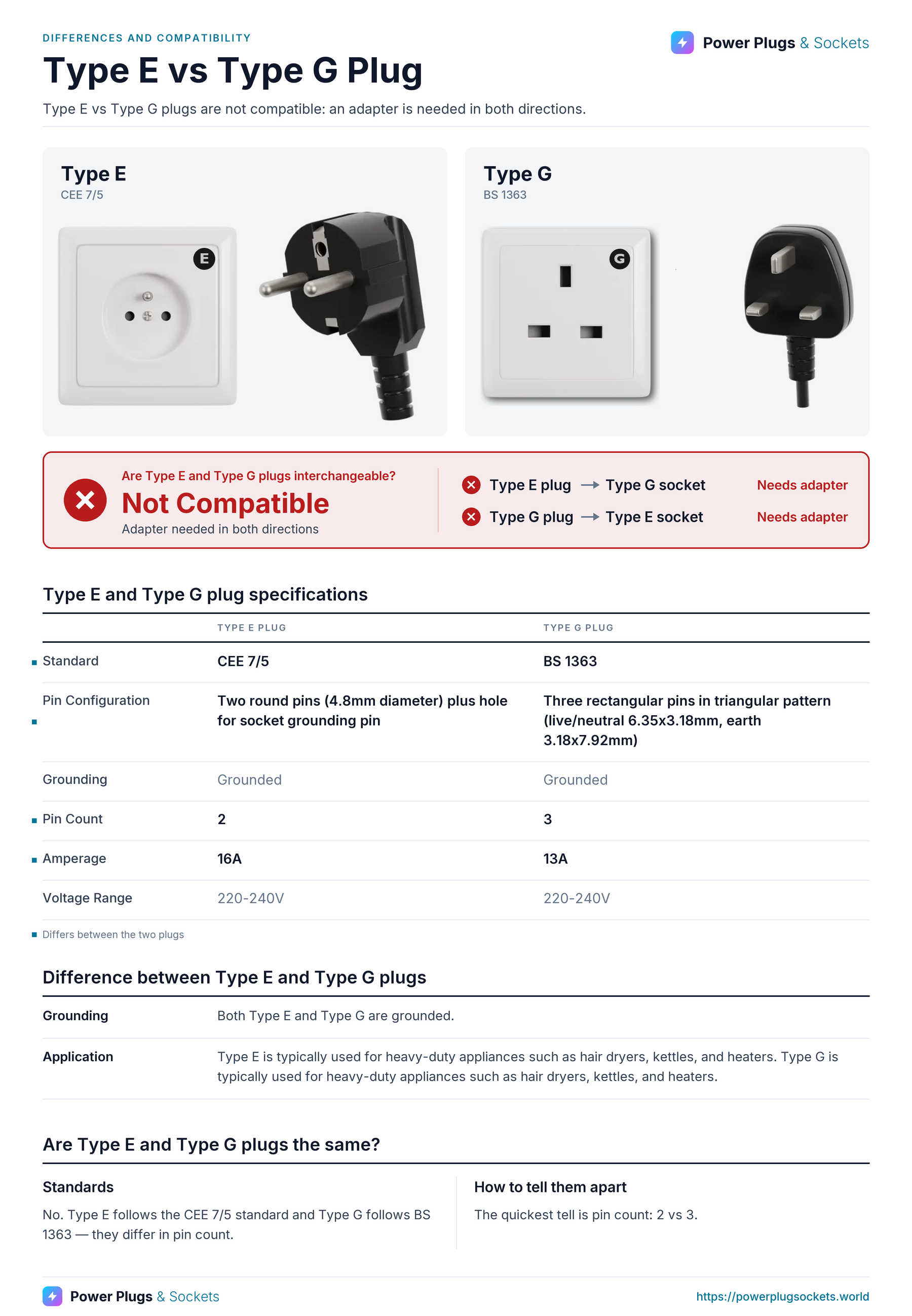
Type E vs Type G plugs are not compatible: an adapter is needed in both directions. Type E is a 2-pin, grounded plug rated 16A at 220-240V, while Type G is a 3-pin, grounded plug rated 13A at 220-240V. The two differ mainly in amperage and pin design, which is what decides compatibility — whether a Type E plug fits a Type G socket, and vice versa. For a related pairing, see what is the difference between type F and type N electrical sockets.
Swipe to compare
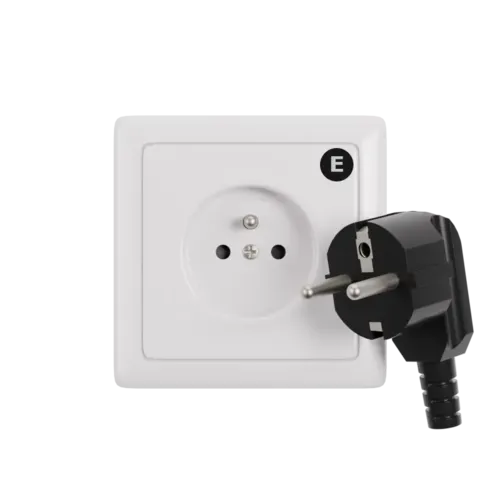
Type E
|
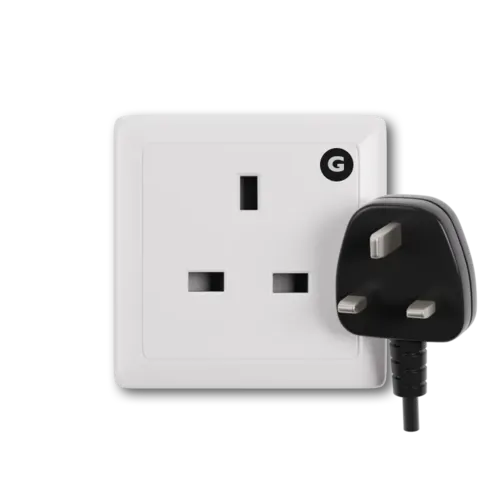
Type G
|
|
|---|---|---|
| Standard | CEE 7/5 | BS 1363 |
| Pin Configuration | Two round pins (4.8mm diameter) plus hole for socket grounding pin | Three rectangular pins in triangular pattern (live/neutral 6.35x3.18mm, earth 3.18x7.92mm) |
| Grounding | Grounded | Grounded |
| Pin Count | 2 | 3 |
| Amperage | 16A | 13A |
| Voltage Range | 220-240V | 220-240V |
Key Differences Between Type E and Type G
Here's how Type E and Type G compare, point by point.
- Grounding: Both Type E and Type G are grounded.
- Pin Size and Shape: Type E: Two round pins (4.8mm diameter) plus hole for socket grounding pin. Type G: Three rectangular pins in triangular pattern (live/neutral 6.35x3.18mm, earth 3.18x7.92mm).
- Application: Type E is typically used for heavy-duty appliances such as hair dryers, kettles, and heaters. Type G is typically used for heavy-duty appliances such as hair dryers, kettles, and heaters.
Type E and Type G Compatibility
Type E in Type G Sockets: Generally no. A Type E plug (Two round pins (4.8mm diameter) plus hole for socket grounding pin) does not fit a Type G socket (Three rectangular pins in triangular pattern (live/neutral 6.35x3.18mm, earth 3.18x7.92mm)) without a travel adapter. For a related pairing, see what are the differences between a type K and a type O plug.
Type G in Type E Sockets: Generally no. A Type G plug (Three rectangular pins in triangular pattern (live/neutral 6.35x3.18mm, earth 3.18x7.92mm)) does not fit a Type E socket (Two round pins (4.8mm diameter) plus hole for socket grounding pin) without a travel adapter. You might also want is a type C plug compatible with a type L socket.
If you're planning a trip, tell us which country you're visiting and we can confirm whether you need a Type E or Type G travel adapter.
Does a Type E plug fit into a Type G socket?
Generally no. A Type E plug (Two round pins (4.8mm diameter) plus hole for socket grounding pin) does not fit a Type G socket (Three rectangular pins in triangular pattern (live/neutral 6.35x3.18mm, earth 3.18x7.92mm)) without a travel adapter.
Are Type E and Type G plugs the same?
No. Type E follows the CEE 7/5 standard and Type G follows BS 1363 — they differ in pin count.
Which countries use Type E and Type G plugs?
Type E plugs are used in 44 countries, including France, Morocco, Denmark, Poland, Czech Republic. Type G plugs are used in 66 countries, including United Kingdom, Singapore, Ireland, Hong Kong, Dubai. 1 countries use both, including Rwanda.
How can you tell a Type E plug from a Type G plug?
A Type E plug has two round pins (4.8mm diameter) plus hole for socket grounding pin, and is grounded. A Type G plug has three rectangular pins in triangular pattern (live/neutral 6.35x3.18mm, earth 3.18x7.92mm), and is grounded. The quickest tell is pin count: 2 vs 3.