Type K vs Type N Plugs: Differences & Compatibility
Type K vs Type N plugs are not compatible: an adapter is needed in both directions. Type K is a 3-pin, grounded plug rated 16A at 220-240V, while Type N is a 3-pin, grounded plug rated 10A/20A at 100-240V. The two differ mainly in voltage, amperage and pin design, which is what decides compatibility — whether a Type K plug fits a Type N socket, and vice versa. You might also want comparing type A and type L plugs for international travel.
Swipe to compare
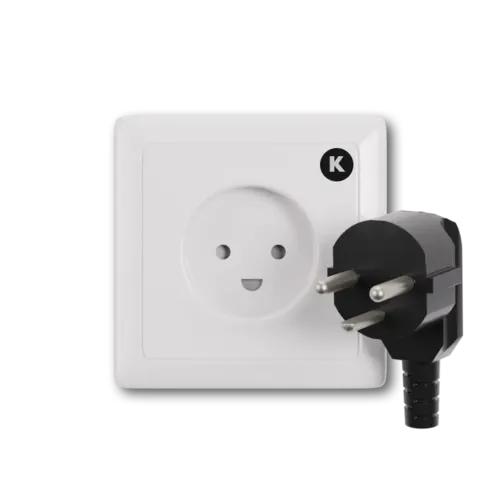
Type K
|
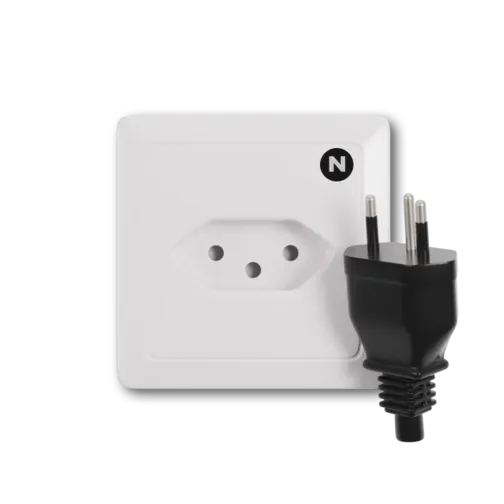
Type N
|
|
|---|---|---|
| Standard | DS 60884-2-D1 | IEC 60906-1 |
| Pin Configuration | Two round pins (4.8mm diameter) plus grounding pin (similar to Type F with additional ground pin) | Three round pins in triangular pattern (4mm pins for 10A, 4.8mm pins for 20A) |
| Grounding | Grounded | Grounded |
| Pin Count | 3 | 3 |
| Amperage | 16A | 10A/20A |
| Voltage Range | 220-240V | 100-240V |
Comparing a type K vs type N plug means looking at two grounded, three-pin power plugs that look alike yet never fit each other's power sockets. The Danish plug (Type K) serves Denmark, Greenland and the Faroe Islands at 16 A and a 220-240 V voltage range, while Type N is the IEC 60906-1 family used in Brazil and South Africa.
The one plug both sockets accept is the two-pin Europlug. Both are among the 15 domestic electrical outlet plugs listed worldwide, and each socket is also compatible with plug types C.
Type K vs Type N Plug: Power Pins, Amp Rating and Voltage Side by Side
The headline difference is where the earth contact sits: well below the two power pins on the Danish design, just off the line between them on the international design.
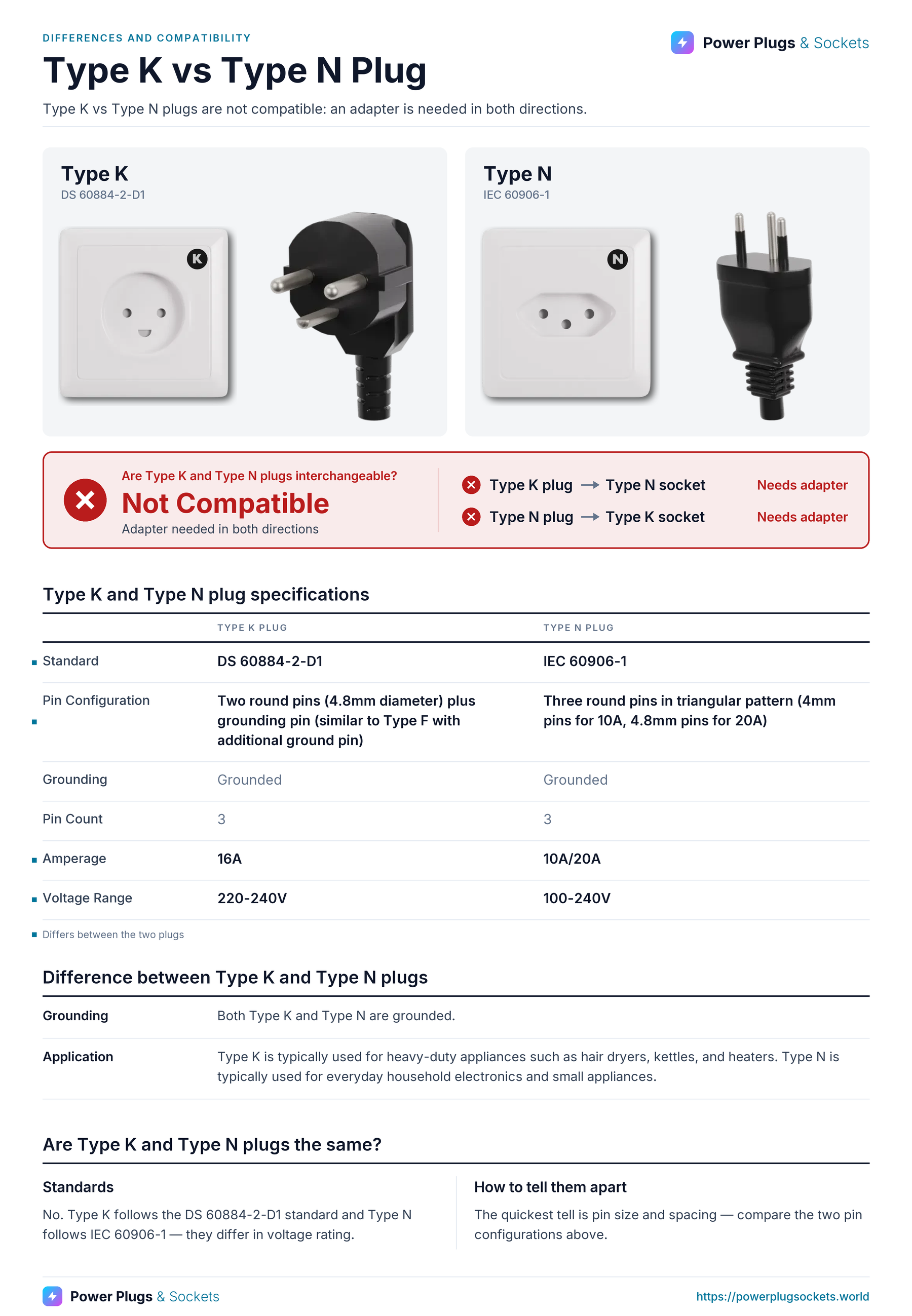
| Feature | Type K (Danish) | Type N (IEC 60906-1, Brazil, South Africa) |
|---|---|---|
| Standard | Danish standard 107-2-D1 | IEC 60906-1, Brazilian NBR 14136, South African SANS 164-2 |
| Current rating | 16 A at 250 V | 16 A at 250 V (IEC and SANS); 10 A or 20 A at 250 V (NBR) |
| Typical mains voltage and frequency | 230 V, 50 Hz | 230 V, 50 Hz (SANS); 127 V or 220 V, 60 Hz (NBR) |
| Pin diameter | 4.8 mm | 4.5 mm (IEC); 4.0 mm for 10 A or 4.8 mm for 20 A (NBR) |
| Pin centers | 19 mm | 19 mm |
| Earth contact | D-shaped, 13 mm below the line pins | Round, offset 3 mm from the line pins |
| Earthed | Yes (three-pin version) | Yes (three-pin version); two-pin unearthed version exists |
| Polarized | Yes | Yes |
| Insulated pins | No | Yes |
| Recessed socket | Optional | Yes |
| Socket accepts Europlug | Yes | Yes |
Both standards space their line pins 19 mm apart, so pin spacing alone does not tell you which socket you face; the earth position does. The 16 A rating is shared by the Danish plug and the IEC and SANS versions, while NBR splits into 10 A and 20 A sizes.
The Danish Plug and Its Earth Pin
Each plug and socket pair follows the Danish plug standard sheet 107-2-D1 and is used in Denmark, Greenland and the Faroe Islands. It began as an earthed version of the two-pin European plug, with an extra contact below. Also see can i use a type J adapter with a type O socket.
A socket with two round holes and a half-round hole underneath, like a smiling face, is socket type K, a Type K socket. The plug system dates from the national standard of Denmark.
Type K Plug & Socket Dimensions
On the Type K plug & socket, the pin length is 19 mm and the live and neutral pins 4.8 mm in diameter, 19 mm apart. The earth pin width is 6.5 mm.
The D-shaped pin is 14 mm long and 4 mm thick, centred 13 mm below the line through the power pins, so the plug goes in only one way round. Each Danish socket-outlets design keys to that profile.
The Earthing Pin Sits on the Plug, Not the Socket
On a Danish plug the earthing pin is part of the plug, the opposite of the French CEE 7/6 plug with its hole, or the German CEE 7/4 Schuko plug with its earthing clips (the CEE 7/7 hybrid offers both). Some older Brazilian homes used NEMA 5-15 plugs.
A plug without that pin gets no earth connection, and wiring built for it must supply one.
Computer Socket and Hospital Variants
A computer socket (DK 2-5a) is used on surge-protected circuits and has tilted, flattened pins on its plug. A rectangular left pin is reserved for hospital equipment, so ordinary devices cannot take over those outlets.
IEC 60906-1 and the National Versions Built on It
Type N is the letter given to IEC 60906-1, published by the International Electrotechnical Commission in 1986 for Europe and other 230 V regions. Adoption across the European Union was put on hold in the mid-1990s.
It resembles the Swiss plug (Type J) but is not identical. Today the design lives on in South Africa, Brazil and Paraguay.
Pin Diameter and Earth Offset in the Type N Design
The IEC version, an electrical connector for 200-250 V, has a pin diameter of 4.5 mm and live and neutral on 19 mm centres, with the earth pin offset by 3.0 mm. It is rated 16 A and 250 V. Brazil's NBR 14136, compulsory from 2010, defines a 10 A plug with 4.0 mm pins and a 20 A plug with 4.8 mm pins and needs no shutters.
Older Brazilian homes lacked earthing, so appliances had a flying earth tail; do not assume a three-hole outlet is earthed. South Africa adopted SANS 164-2, the South African standard, in 1992 and named it the preferred standard in 2013, moving away from older Type M outlets.
Paraguay's adoption is voluntary, and each country follows its own national standard.
Plug Types C, E and F in Danish and Brazilian Sockets
The Europlug (CEE 7/16) is a flat, two-pin, unearthed plug rated 2.5 A for Class II appliances, and fits the Danish, NBR and SANS sockets without an adapter, as does the round CEE 7/17, one of the contour plugs. The sockets of both countries accept socket types C and their own. Next, check is a type C plug compatible with a type D socket.
Danish sockets also physically accept the CEE 7/4 Schuko, French CEE 7/6 and CEE 7/7 hybrid plugs, but none carries a Danish earth pin. The appliance then runs unearthed, and a fault can overload the circuit.
This unsafe partial compatibility can give electric shocks, so use a proper adapter for grounded German or French appliances.
Why the Two Grounded Plugs Never Fit Each Other's Socket
The Danish earth contact sits 13 mm below the line pins, while the international one sits only 3 mm off their line, so each plug's earth pin hits solid plastic in the other socket. The pins also differ between 4.8 mm, 4.5 mm and 4.0 mm, so plug N does not go into a Danish socket and vice versa, though both are grounded, polarized and rated 16 A in their common versions.
Safety Features Compared: Danish Standard vs NBR 14136
The Danish standard relies on keyed earth pins, polarity and residual current protection, while NBR 14136 and other IEC-based versions add insulated pins and a recessed socket face. The Danish standard provides for child-resistant shutters, the IEC version makes them mandatory and Brazil leaves them out.
Both sockets are polarized with live and neutral on a defined side: with earth at the bottom, live is on the left in Denmark. Earthed sockets have been required in new Danish installations since the early 1990s, and earth-fault interrupters were required by 2008.
Unearthed two-pin sockets remain common in Brazil for Class II appliances.
Plug N, Plug K and the Travel Adapter You Need
Anyone moving between Type K and Type N countries needs a travel adapter for any device without a Europlug. A plug adapter only changes the shape, so for a kettle or heater choose an earthed adapter rated for the full 16 A, or 20 A for a Brazilian socket, and one that carries the Danish earth pin through its electrical connector.
Both countries have 3 pins for earthed and 2 pins for Class II plugs, with insulating sleeves on IEC pins. Check the appliance label.
Most phone and laptop chargers accept 100-240 V, 50 Hz and 60 Hz and need only an adapter. A 220-240 V appliance runs weakly on a 127 V Brazilian circuit, and a 127 V one can be damaged on 220 V electricity, so you would need a voltage converter.
Motors and clocks can also react to the 50 Hz to 60 Hz change.