All Plug Types
There are currently 15 types of electrical plugs used around the world, each designated by a letter (A through O). Learn about each type's specifications and where they're used.
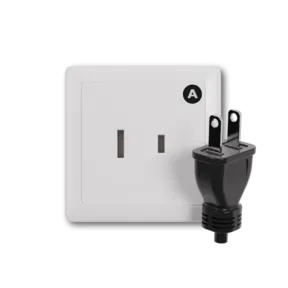
Type A
57 countriesNEMA 1-15
Type A plugs have two flat parallel pins. This ungrounded plug is commonly used in …
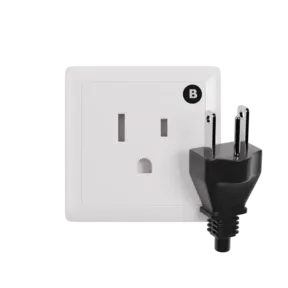
Type B
51 countriesNEMA 5-15
Type B plugs have two flat parallel pins plus a grounding pin. This is the …
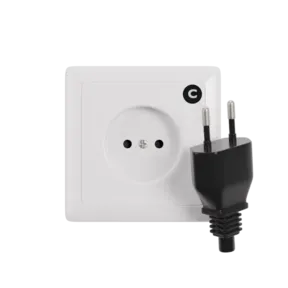
Type C
146 countriesCEE 7/16 (Europlug)
Type C plugs have two round pins. Also known as the Europlug, it's one of …
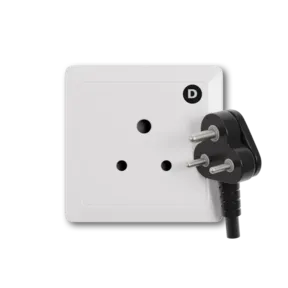
Type D
30 countriesBS 546
Type D plugs have three large round pins in a triangular pattern. This is an …
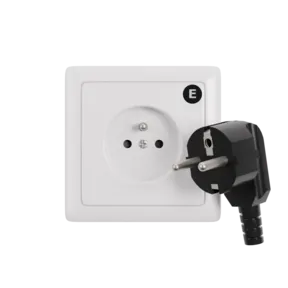
Type E
41 countriesCEE 7/5
Type E plugs have two round pins with a hole for the socket's grounding pin. …
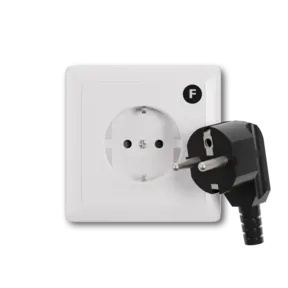
Type F
75 countriesCEE 7/4 (Schuko)
Type F plugs have two round pins with grounding clips on the sides. Also known …
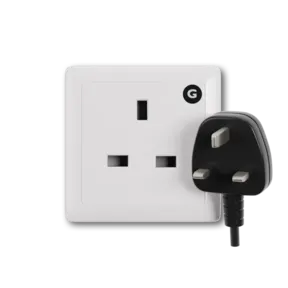
Type G
63 countriesBS 1363
Type G plugs have three rectangular pins in a triangular pattern. Known for its built-in …
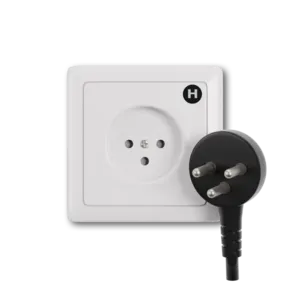
Type H
3 countriesSI 32
Type H plugs are unique to Israel with three pins in a V-shape. Modern Type …
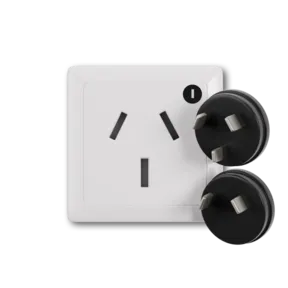
Type I
23 countriesAS/NZS 3112
Type I plugs have two angled flat pins in a V-shape, plus a grounding pin. …
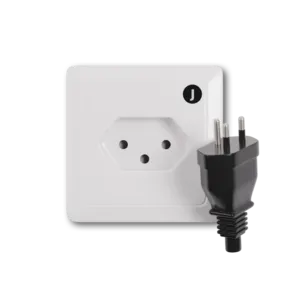
Type J
4 countriesSEV 1011
Type J plugs have three round pins with the grounding pin offset from center. It's …
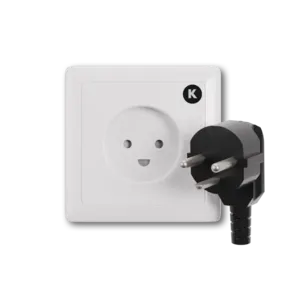
Type K
7 countriesDS 60884-2-D1
Type K plugs have three round pins with the grounding pin positioned as a semicircular …
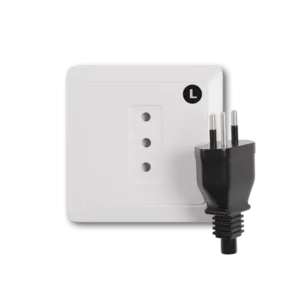
Type L
10 countriesCEI 23-50
Type L plugs have three round pins in a row. There are two variants: 10A …
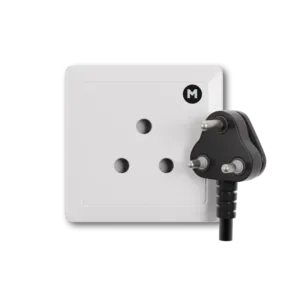
Type M
7 countriesBS 546 (15A)
Type M plugs have three large round pins in a triangular pattern, larger than Type …
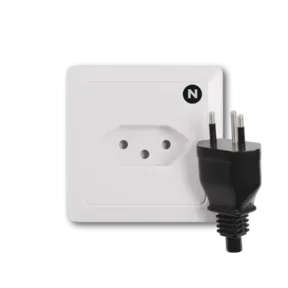
Type N
2 countriesIEC 60906-1
Type N plugs have three round pins and come in 10A and 20A versions. Brazil's …
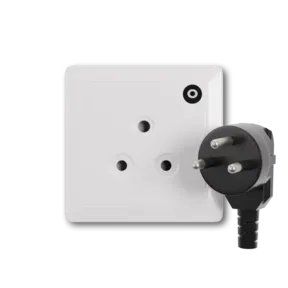
Type O
1 countriesTIS 166-2549
Type O plugs have three round pins and are used exclusively in Thailand. Similar in …
Understanding Plug Types
Plug Types
Different electrical plug standards used worldwide
Letter Codes
Each type is designated by a letter from A through O
Pin Counts
Most plugs have either 2 or 3 pins/prongs
Grounding
Some types include a ground/earth pin for safety
Global Electrical Plug Standards
The world's electrical plug types are designated by letters A through O, with each type having unique physical characteristics and safety features. These standards were developed by the International Electrotechnical Commission (IEC) to help identify and categorize the various plug and socket systems used globally.
Key Differences Between Plug Types
The main differences between plug types include the number of pins (typically 2 or 3), the shape and size of the pins, pin spacing, and whether the plug includes grounding. Grounded plugs (with 3 pins) provide additional safety by directing excess electrical current to the ground.
- Type A & B (American): Used primarily in North America, Central America, and parts of Asia. Type B includes a grounding pin.
- Type C, E, F (European): Common throughout Europe and many other regions. Type C is ungrounded; E and F include grounding.
- Type G (British): Used in the UK, Ireland, and many former British colonies. Known for its built-in fuse.
- Type I (Australian/Chinese): Used in Australia, New Zealand, China, and Argentina.
- Type J (Swiss): Unique to Switzerland and Liechtenstein.
Safety Considerations
Modern plug designs emphasize safety features like recessed sockets, shuttered outlets, and mandatory grounding for high-power appliances. The British Type G plug is often considered one of the safest designs due to its built-in fuse and insulated pins.